Workplace Wellness Programs for Small Teams
A stretch break sounds trivial until a whole team stops taking them. Small offices often run on tight deadlines, and healthy habits slip away without anyone deciding to drop them. A few thoughtful changes can bring them back.
Small businesses rarely have the staff time to run large wellness campaigns, yet simple habits still make a difference. This article offers general ideas for owners who want to support staff health without making medical claims. It is not medical advice, and employees should speak with their own clinicians about personal needs.
Starting With Schedules, Not Slogans
Posters rarely change how people spend a workday. Schedules do. Build short movement breaks into the calendar and protect them from meeting creep. A visible plan tells staff that breaks are part of the job rather than a favor.
Readers may also want to visit Dailipay.net. Choose one routine for the first month and expand only if it is working. Consistency matters more than variety in the early stages.
Ergonomic Setups at Desks and Stations
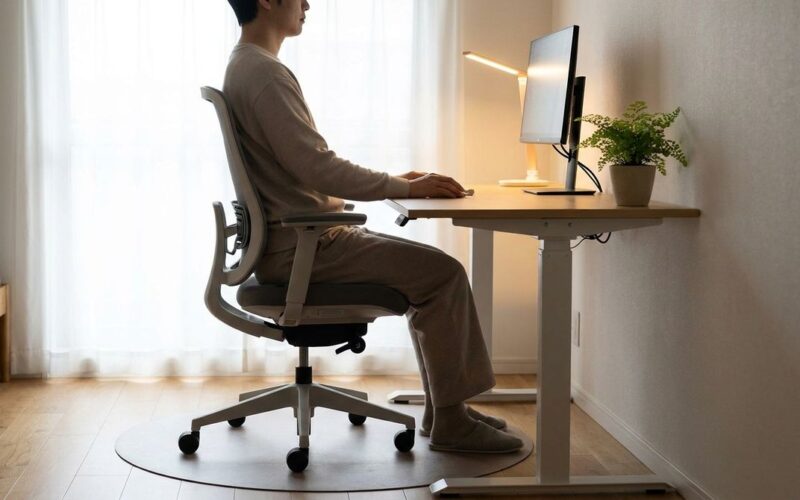
Chairs, monitors and keyboards affect comfort over long shifts. Ask staff to adjust seat height and screen position before they start a day. Small purchases, such as a footrest or a monitor stand, can be surprisingly helpful.
You can also visit quickstartmoneysite.com for more reading. Involve employees in the adjustments, because they know which motions feel strained. A short training session on setup can prevent many complaints later.
Health Benefits Information Without Medical Claims
Share general information about sleep, hydration and movement, and avoid promising specific results. Point employees to licensed providers for personal questions. For a related read on this site, see Better Game Sessions for Stronger Business Teams.
Keep a record of which resources you share so that the message stays accurate and consistent. Review the list before each newsletter to remove anything that no longer fits. Accurate, modest messages earn more trust than bold promises.
Asking Staff What Helps
Short anonymous surveys reveal needs that managers cannot see from a desk. Ask which breaks feel useful, which chairs cause discomfort and which hours feel too long. Share the results and explain the changes you plan to make.
Follow through on at least one suggestion each month so that employees trust the process. A suggestion box that never produces change quickly becomes a source of frustration. Honest follow up keeps participation high.
Building Peer Support Across Departments
Wellness habits last longer when they are shared across the team rather than assigned to one person. Ask each department to nominate a volunteer who will remind colleagues about breaks, ergonomic checks and quiet hours. The volunteer does not need special training. A friendly reminder from a peer often lands better than a notice from management.
Schedule a short monthly meeting where volunteers share what worked and what did not. Keep the conversation practical, focusing on one change at a time. A simple record of decisions helps new volunteers understand the history without reading long emails. Rotate the role every few months so that responsibility stays fresh and nobody feels stuck.
Recognize quiet contributions as well as visible ones. A colleague who rearranges a shared kitchen so that people take real lunch breaks deserves a thank you. Small public acknowledgments encourage others to contribute. When the team sees that its habits matter to leaders, participation grows naturally and the culture feels more supportive.
Start by asking managers to protect the break window on the team calendar. A short block marked as personal time signals that the company values rest. Pair the block with a reminder for stretching or walking outside. Over several weeks, the habit becomes a normal part of the workday rather than a special event.
Track the results of each change in plain terms, such as fewer complaints about chairs or more breaks taken during long projects. Avoid measuring everything, because too many numbers can overwhelm busy staff. Share the findings in a short update that thanks the people who took part. Recognition keeps the program moving forward with enthusiasm rather than quiet resistance.
Ask each volunteer to keep a short log of the reminders they give and the responses they receive. The log helps the team spot which messages land well. Use that information to improve the wording for everyone. Keep the log private and focused on habits rather than people.
Small Changes Compound
A workplace that respects breaks, comfort and honest feedback builds a healthier culture over time. Start with one change, notice how it feels and then build the next step. Steady improvement beats an ambitious program that fades after a month.