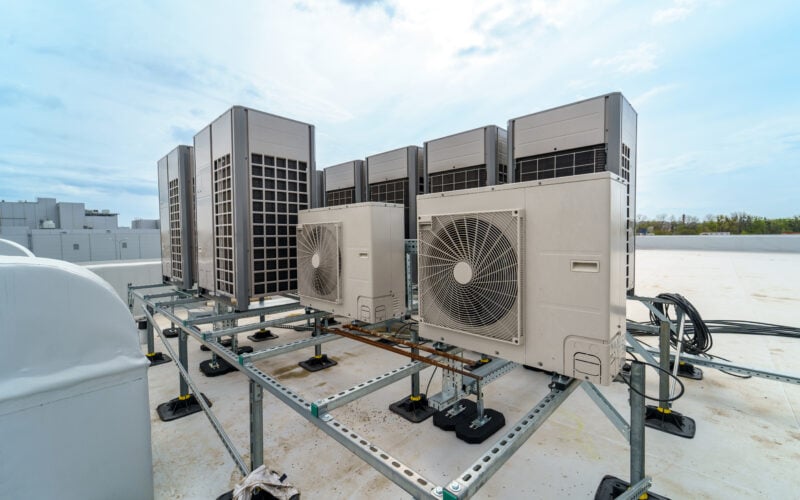
When Should You Replace a Commercial HVAC System?
Every commercial HVAC system reaches a point where repairs stop making financial sense. The challenge for most building owners and facility managers isn’t recognizing that a change is needed eventually — it’s figuring out exactly when “eventually” has arrived. Replace a system too early, and you’ve wasted capital that could have been used elsewhere. Wait too long, and you risk costly breakdowns, unhappy tenants, and skyrocketing energy bills. Knowing the signs that point toward replacement can save you money and headaches down the road.
Your System Is Approaching or Past Its Expected Lifespan
Commercial HVAC systems are built to last for years, but they don’t last forever. As equipment ages, components wear down, efficiency drops, and the likelihood of a major failure increases. If your system has been in service for a long time and you’re unsure how much life it has left, it’s worth having a professional evaluate its condition. Age alone isn’t always a dealbreaker, but combined with other warning signs, it’s often the tipping point that makes replacement the smarter financial decision.
Repair Costs Are Climbing
One of the clearest indicators that replacement is on the horizon is a pattern of frequent, expensive repairs. When you find yourself calling the technician every few months, or when a single repair estimate rivals a significant chunk of a new system’s cost, it’s time to reconsider your approach. A helpful rule of thumb: if repair costs are trending upward year over year, and each fix seems to reveal another underlying issue, you’re likely dealing with a system that’s simply worn out. Continuing to patch an aging unit often costs more in the long run than investing in a reliable replacement.
Energy Bills Keep Rising Without Explanation
HVAC systems lose efficiency as they age, and that inefficiency shows up directly in your utility bills. If your energy costs have been creeping upward despite consistent usage patterns and regular maintenance, your system may be working harder than it should to maintain comfortable temperatures. Older units often can’t compete with the efficiency standards of newer models, meaning you’re paying a premium every month just to keep the building running. A replacement with modern, efficient technology can often pay for itself over time through reduced energy consumption.
Inconsistent Comfort Throughout the Building
Uneven heating and cooling is more than just an inconvenience — it’s a sign that your system is struggling to keep up with demand. If certain areas of your building are consistently too warm or too cold, or if temperature control has become unpredictable, the issue may go beyond a simple fix. This is especially true when the problem persists even after maintenance visits. A failing system often loses its ability to regulate airflow and temperature evenly, and replacement may be the only way to restore consistent comfort for occupants.
Frequent Breakdowns Are Disrupting Operations
Unexpected downtime is costly, especially in commercial settings where comfort and air quality directly affect employees, customers, or tenants. If your HVAC system is breaking down repeatedly, disrupting daily operations, or requiring emergency service calls, it’s a strong signal that the equipment is reaching the end of its usefulness. Reliability matters in a commercial environment, and a system that can’t be counted on is a liability rather than an asset.
Outdated Technology and Refrigerants
Older HVAC systems may rely on outdated components or refrigerants that are being phased out or are becoming harder to source. This can make repairs more difficult and expensive over time, as replacement parts become scarce. Newer systems typically offer improved technology, including smarter controls and better integration with building management systems, giving you more control over performance and efficiency.
Making the Decision
Deciding when to replace a commercial HVAC system rarely comes down to one single factor. It’s typically a combination of age, rising repair costs, declining efficiency, and operational disruptions that signals it’s time to make a change. The best approach is to work with a qualified HVAC professional who can assess your specific system, evaluate the building’s needs, and help you weigh the costs of continued repairs against the benefits of a new installation. Making an informed decision now can prevent a more disruptive and costly situation later, while also positioning your building for improved comfort and efficiency for years to come.