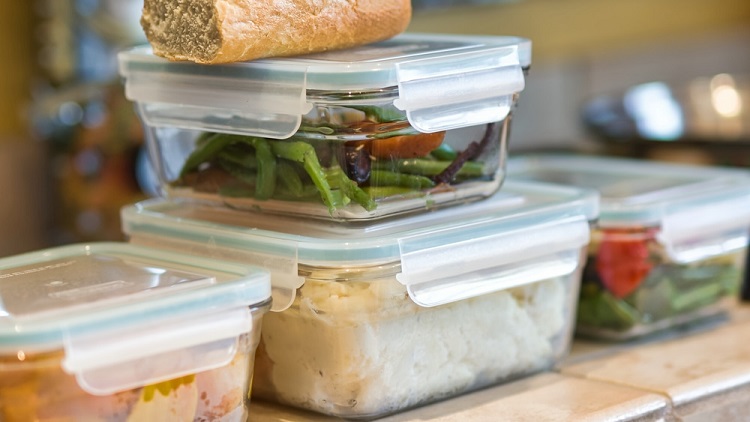
Plastic Food Storage: The Science Behind Safe Container Use
Every time you reach for a plastic food container in your kitchen, you’re participating in one of the most significant material revolutions of the past century. These ubiquitous vessels have fundamentally transformed how we store, transport, and preserve our meals, yet beneath their seemingly simple exterior lies a complex web of chemistry, safety considerations, and environmental implications that most consumers barely comprehend.
The Evolution of Food Storage Materials
The journey from traditional food storage methods to modern plastic containers represents a fascinating intersection of necessity, innovation, and unintended consequences. Where our grandparents relied on glass jars, ceramic crocks, and metal tins, we’ve embraced lightweight, shatterproof alternatives that promise convenience and durability. This transition hasn’t occurred in isolation; it reflects broader changes in how we live, work, and consume food in an increasingly mobile society.
The science behind these storage solutions reveals remarkable ingenuity. Polymer chains, arranged in specific configurations, create barriers against moisture, oxygen, and contamination whilst maintaining flexibility and strength. Yet this same chemistry that makes plastic containers so practical also introduces questions about long term safety that researchers continue to investigate.
Understanding Plastic Safety Codes
Every plastic food storage container bears a small number encased in a recycling symbol, a coding system that reveals crucial information about its composition and safety profile. These seemingly insignificant digits represent different polymer types, each with distinct characteristics:
• Type 1 (PET): Commonly used for single-use bottles and containers
• Type 2 (HDPE): Dense, durable plastic suitable for repeated food contact
• Type 3 (PVC): Rarely used for food storage due to safety concerns
• Type 4 (LDPE): Flexible plastic often found in food wraps and bags
• Type 5 (PP): Heat-resistant polypropylene, ideal for microwave use
• Type 6 (PS): Polystyrene, typically avoided for hot food storage
• Type 7: Miscellaneous plastics, including newer bio-based materials
Understanding these classifications empowers consumers to make informed decisions about which containers suit their specific needs whilst minimising potential health risks.
Singapore’s Progressive Approach to Food Container Safety
Singapore’s regulatory framework for food contact materials demonstrates how forward-thinking policy can address consumer safety concerns. The city-state’s comprehensive approach to plastic food storage regulation reflects a broader commitment to public health that extends beyond individual container safety to encompass the entire supply chain.
Local authorities have implemented stringent testing requirements for imported food storage products, ensuring that containers meet international safety standards before reaching consumers. This regulatory vigilance has positioned Singapore as a regional leader in food safety, with policies that often exceed global minimum requirements.
Health Implications of Different Plastic Types
The relationship between plastic containers and human health remains an active area of scientific inquiry. Research has identified several compounds of concern, including bisphenol A (BPA), phthalates, and other additives that can migrate from containers into food under certain conditions.
Temperature plays a crucial role in this process. Heat accelerates chemical migration, which explains why many food safety experts recommend avoiding microwaving food in plastic containers, particularly those not specifically designed for high temperature use. Similarly, acidic foods can increase the rate at which chemicals leach from container walls into stored food.
Recent studies suggest that even “BPA free” alternatives may present their own concerns, as replacement chemicals haven’t always undergone the same rigorous long-term testing as their predecessors. This evolving understanding underscores the importance of staying informed about current research whilst maintaining perspective about actual risk levels.
Best Practices for Safe Food Storage
Implementing simple guidelines can significantly reduce potential exposure to harmful chemicals whilst maximising the benefits of modern food storage technology:
• Choose containers specifically designed for food contact, avoiding repurposed industrial packaging
• Replace old, scratched, or damaged containers that may harbour bacteria or release chemicals more readily
• Allow hot foods to cool before transferring to plastic storage containers
• Avoid using plastic containers in dishwashers unless specifically labelled as dishwasher safe
• Store acidic foods in glass containers when possible
• Replace containers showing signs of wear, discolouration, or persistent odours
Environmental Considerations
The environmental footprint of food storage containers extends far beyond their immediate utility. Manufacturing, transportation, use, and disposal all contribute to their total environmental impact. Durable, reusable containers generally present more favourable environmental profiles than single use alternatives, provided they’re used sufficiently to offset their higher initial manufacturing impact.
Emerging bio based plastics offer promising alternatives to petroleum derived materials, though their long term safety and environmental profiles require continued evaluation. These innovations represent important steps toward more sustainable food storage solutions that don’t compromise safety or functionality.
The future of food storage likely lies in continued material innovation, improved recycling systems, and consumer education about proper use and disposal. As our understanding of both health and environmental implications evolves, so too will the design and regulation of these everyday items.
In navigating this complex landscape, consumers benefit from staying informed about current research whilst maintaining practical perspectives about the role of plastic food containers in modern life. The key lies not in avoiding these useful tools entirely, but in using them wisely, replacing them regularly, and choosing the most appropriate plastic food container for each specific application.