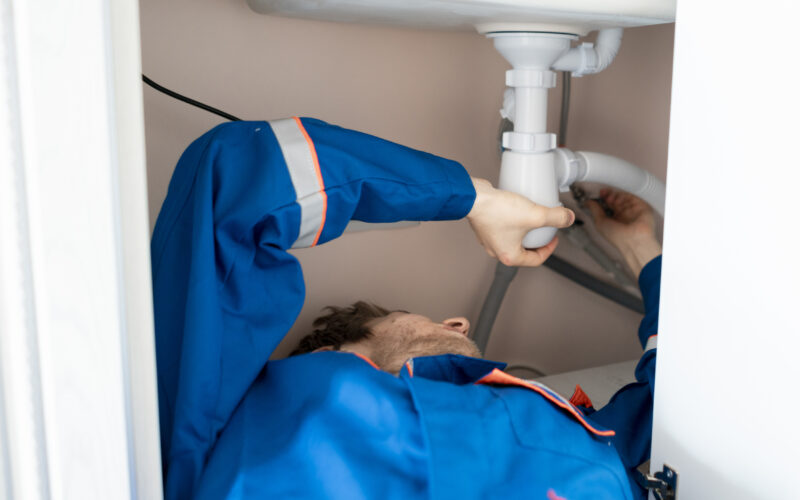
How Poor Drainage Can Lead to Health Code Violations
Proper drainage systems are an essential yet often overlooked aspect of property management. Whether it’s a residential building, a restaurant, or a commercial space, ignoring drainage issues can lead to catastrophic consequences, not only for the property itself but also for its occupants. One of the most serious outcomes of poor drainage is a violation of health codes. These violations can have financial, operational, and reputational impacts that are difficult to recover from. Let’s explore the connection between poor drainage and health code violations and understand why addressing drainage issues should be a top priority for property owners, facility managers, and business operators.
The Hidden Dangers of Poor Drainage
At its core, poor drainage is a system issue that allows water to accumulate where it shouldn’t. While this might initially seem like a minor inconvenience, the resulting problems can escalate quickly. Here are some of the dangers lurking behind poor drainage:
1. Standing Water
One of the most common symptoms of poor drainage is standing water, which creates an ideal breeding ground for insects such as mosquitoes. These insects can transmit diseases like West Nile virus, dengue fever, and malaria. Furthermore, standing water indoors or around a property can give off a foul odor, presenting an immediate red flag for health inspection agencies.
2. Mold Growth
Excessive moisture caused by inefficient drainage systems fosters mold growth. Mold is not only unsightly but produces airborne spores that can trigger allergic reactions, respiratory conditions, and other health issues. For food establishments, this is particularly problematic as visible mold or other unsanitary conditions can lead to immediate health code violations.
3. Contaminated Water Supply
Poor drainage can cause backflow or pooling of contaminated water. In some circumstances, this dirty water can seep into the building’s drinking water supply, posing a severe public health hazard. Any contamination of potable water is almost guaranteed to result in a health code infraction.
Health Code Violations: A Quick Overview
Health codes, whether at a local, state, or federal level, are designed to uphold safety and hygiene. These codes are particularly stringent in commercial settings such as restaurants, healthcare facilities, and schools. The primary goals are to prevent contamination, maintain a safe living or working environment, and protect the public from health risks.
Violations of health codes due to poor drainage can include:
- Pest Infestations: Water pooling around drains or in basements can attract pests like rodents and cockroaches, common culprits cited in health violations.
- Flooding in Food Prep Areas: Kitchen areas that don’t drain properly might flood, creating cross-contamination hazards.
- Structural Water Damage: Prolonged exposure to moisture can degrade structural materials, such as wood or drywall, leading to unsanitary conditions.
How Poor Drainage Leads to Health Code Violations
1. Cross-Contamination in Food Handling
Food establishments are subject to the strictest hygiene guidelines. Poor drainage in kitchens or storage areas can lead to water contamination. For example, if dirty water backflows into a food prep area, the risk of cross-contamination skyrockets. Health inspectors won’t hesitate to issue a citation under such conditions.
2. Improper Wastewater Disposal
Blocked drains can result in wastewater spills that contaminate the surrounding areas. Wastewater contains harmful bacteria, chemicals, and debris, making it a significant source of health risks. Improper management of wastewater is not just a drainage issue but also a legal one that could result in penalties and fines.
3. Moisture-Induced Structural Issues
Persistently damp floors, walls, or ceilings due to poor drainage can weaken the building’s infrastructure, creating cracks and moisture pockets where mold and bacteria thrive. Health bodies view these conditions as unsafe for occupants, often resulting in property closures or mandatory maintenance work.
4. Foul Odors and Air Quality Problems
Clogged drainage systems are notorious for producing foul odors that can permeate indoor spaces. The odors themselves may seem minor, but they often signal more severe issues such as bacterial growth or sewage backup, both of which are serious health code concerns.
Final Thoughts
Ignoring drainage systems may save money in the short term, but it’s a costly gamble when it comes to public health and compliance. Poor drainage can lead to a cascade of issues, from health code violations to negative publicity and even potential lawsuits.
Improving drainage isn’t just about fixing a pipe here or clearing a clog there. It’s about creating and maintaining a healthy, compliant, and safe environment for everyone who interacts with your property. By addressing drainage issues proactively, you not only protect public health but also safeguard your bottom line and reputation.