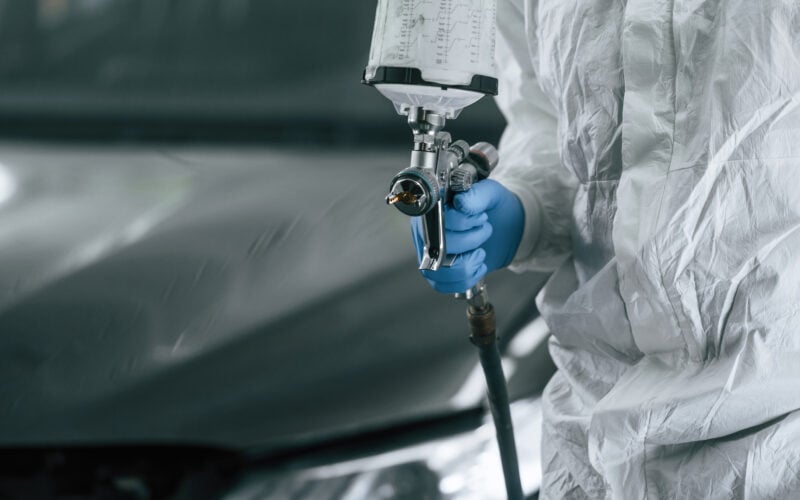
How Many Layers Go Into a Professional Car Paint Repair?
A scratch on your bumper or a chip on the hood might look like a simple fix, but professional car paint repair is far more involved than a single coat of color. Behind that glossy, seamless finish lies a carefully constructed system of layers, each with its own purpose and each demanding precision to get right. Understanding what actually goes into repairing your car’s paint can help you appreciate why quality bodywork takes time, skill, and the right materials to do properly.
Starting With a Clean, Prepared Surface
Before any paint touches the vehicle, the damaged area has to be prepped thoroughly. This means sanding down the affected panel, removing rust or corrosion if present, and smoothing out any imperfections in the metal or filler beneath. Technicians also clean the surface to eliminate dust, grease, and old wax residue that could interfere with adhesion.
This step doesn’t involve paint itself, but it’s foundational to everything that follows. Skipping or rushing surface preparation is one of the most common reasons paint jobs fail prematurely, bubbling, peeling, or showing uneven texture within months. A proper repair treats this stage with as much care as the painting process itself.
Layer One: The Primer
Primer is the first true layer applied to the vehicle, and it serves several important functions. It creates a surface that paint can bond to effectively, helps prevent corrosion, and fills in minor surface irregularities left over from bodywork. Depending on the extent of the damage, technicians may apply multiple coats of primer, sanding between each application to build a perfectly smooth base.
Without a solid primer layer, even the best paint job will struggle to look right. Color coats applied directly to bare metal or filler tend to show flaws, absorb unevenly, and age poorly. Primer is essentially the groundwork that everything else depends on.
Layer Two: The Base Coat
Once the primer has cured and been sanded smooth, the base coat goes on. This is the layer that actually contains the color, whether it’s a factory-matched shade or a custom hue. Matching this color precisely to the rest of the vehicle is one of the more technical aspects of car paint repair, since factors like lighting, panel angle, and even the age of the surrounding paint can affect how a color appears.
Professional shops use spectrophotometers and computerized mixing systems to get as close to an exact match as possible, then often apply test sprays to verify the color before committing to the full panel. The base coat itself is usually applied in multiple thin layers rather than one thick coat, which helps achieve even coverage and reduces the risk of drips or inconsistencies.
Layer Three: The Clear Coat
Sitting on top of the base coat is the clear coat, a transparent layer that protects the color beneath it from UV rays, road debris, and everyday wear. This layer is what gives modern car finishes their glossy, reflective quality. Without it, the base coat would be far more vulnerable to fading and damage from sun exposure and environmental contaminants.
Clear coat is typically applied in two or more passes to ensure full, even coverage. Like the layers beneath it, it needs time to cure properly before any further work, like polishing or buffing, takes place.
The Finishing Touches: Buffing and Polishing
Once all the layers have cured, the final step is buffing and polishing the repaired area. This process blends the new paint with the surrounding factory finish, removing any minor texture differences and bringing out the full shine of the clear coat. It’s a detail-oriented step, but it’s what separates a repair that looks obviously patched from one that’s virtually undetectable.
Technicians often use a graduated series of polishing compounds, starting coarser and moving to finer grades, to achieve a smooth, glossy result that matches the rest of the vehicle’s finish.
Why the Layers Matter
Each layer in a car paint repair exists for a reason, and skipping steps or rushing the process tends to show up later in the form of peeling, fading, or mismatched color. A repair that accounts for surface preparation, primer, base coat, clear coat, and finishing work is built to hold up over time rather than just look good on the day you pick up your car.
The next time you notice a flawless repair on a vehicle, know that it likely represents several distinct stages of work, each one necessary to protect the car and restore its appearance properly.