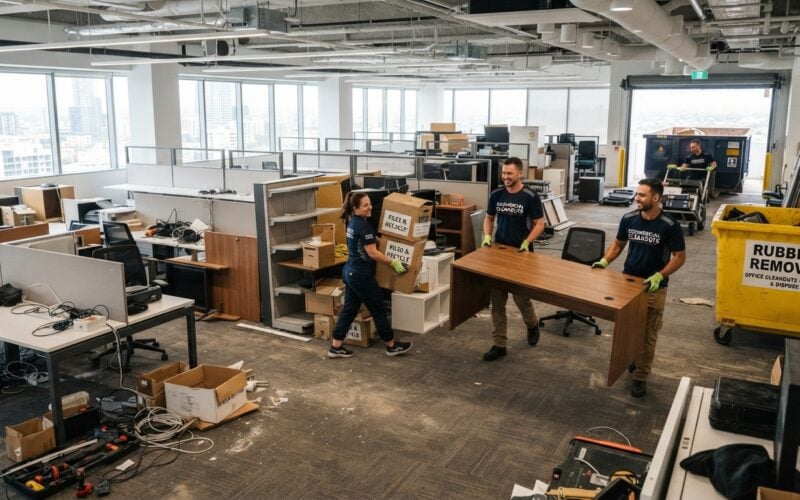
How Entrepreneurs Secure Physical Offices and Inventory
Launching a business often directs an entrepreneur’s attention toward product development, marketing, and revenue growth. Yet physical workplaces, retail storefronts, and storage rooms represent substantial investments that demand equal care. When a commercial facility lacks dependable protection, an unexpected break-in, misplaced inventory, or damaged equipment can disrupt operations immediately. Physical assets form the foundation of retail boutiques, creative studios, and offices. Protecting these spaces requires a practical security strategy built on reliable devices and consistent operational habits.
Modern workplace security no longer requires rigid enterprise systems that involve tearing open walls for heavy cabling. Small business owners now have access to modular surveillance hardware, flexible wireless connectivity, and intuitive management software that scale alongside business demands. Implementing an effective security plan involves identifying site vulnerabilities, selecting reliable monitoring hardware, establishing daily operating protocols, and performing ongoing maintenance audits.
Evaluating Vulnerabilities Across Commercial Spaces
Every comprehensive security strategy begins with an objective assessment of the physical property. Entrepreneurs must inspect their commercial space through the eyes of an unauthorized visitor. Common vulnerability points include unmonitored rear delivery doors, dimly lit back alleys, ground-floor windows, and shared building hallways. In multi-tenant complexes, shared reception areas and common stairwells invite extra foot traffic that can complicate visitor tracking. Spotting these structural weaknesses early allows business owners to position hardware intentionally rather than making hasty equipment purchases.
Interior zones demand the same meticulous evaluation. High-value equipment such as production computers, sensitive records, specialized tools, and packaged inventory should never be visible from exterior windows or unsecured sales floors. Establishing distinct access zones within a building protects company property and maintains customer trust. Just as founders benefit from structured guides when launching mobile tech ventures as non-technical founders, securing physical commercial real estate requires a step-by-step audit rather than sudden, uncoordinated purchases. Mapping the entire floor plan on paper helps identify exactly where monitoring devices will deliver the greatest coverage.
Selecting Scalable Monitoring Hardware and Software
Selecting appropriate surveillance hardware is a pivotal operational decision for expanding businesses. Traditional hardwired installations often require extensive building modifications, professional labor fees, and fixed placements that cannot adapt to future floor layout changes. For leasing tenants or fast-growing retailers, wire-free surveillance units offer substantial flexibility. Modular cameras can be mounted quickly, repositioned as shelving units change, and relocated if the business transfers to a larger building. Crucial features to evaluate include video resolution, dependable motion detection, weather resistance for outdoor perimeters, and night vision capabilities.
Comparing device specifications can quickly overwhelm an owner who is balancing daily business demands. When selecting individual monitoring units, reviewing specialized hardware breakdowns on platforms like bestwirelesssecuritycamera helps operators evaluate form factors, battery longevity, and mounting options before ordering commercial gear. Detailed overviews of viewing angles, wireless signal range, and power configurations ensure that chosen cameras handle daily business activity without requiring constant battery swaps or disruptive troubleshooting.
Beyond camera hardware, business operators must evaluate the software platforms that manage video storage and real-time alerts. Cloud storage subscriptions provide off-site backups that safeguard video evidence even if an on-premise device suffers damage. However, local storage cards and network video recorders provide an essential backup when internet connections experience interruptions. A combined storage model delivers the convenience of mobile alerts alongside the reliability of local recording, ensuring that business owners maintain complete oversight of delivery doors, cash registers, and stockrooms.
Establishing Clear Installation and Daily Operational Protocols
Quality hardware alone cannot secure a property if workplace routines remain disorganized. Proper camera placement and viewing angles require precise adjustment during setup. Devices mounted too high capture the tops of heads rather than identifiable faces, while devices placed too low risk physical tampering. Orienting lenses toward customer entrances, point-of-sale areas, backroom entryways, and shipping docks guarantees clear visual documentation of all essential business movements.
To maintain dependable protection across the facility, business operators should implement a short checklist of core physical security practices:
- Angle primary lenses directly across entry points to capture unobstructed facial profiles as individuals enter.
- Assign unique digital entry codes or alarm credentials rather than sharing a single code among team members.
- Test low-light visibility and motion alerts during evening hours before opening the location to the public.
- Keep network routers and central recording hardware inside locked cabinets to prevent intentional disconnection.
Employee training transforms these installation measures into an active workplace culture. Opening and closing shifts should follow clear checklists that include inspecting window locks, confirming that exterior lights function properly, checking emergency exits, and arming the system. When team members understand why these procedures exist, they actively contribute to workplace safety. Encouraging staff to report malfunctioning door latches or camera connectivity issues helps managers resolve physical maintenance problems before vulnerabilities appear.
Tracking Industry Innovations and Modern Equipment
The consumer and commercial technology sectors evolve rapidly, delivering advanced tools that were once accessible only to corporate enterprises with massive budgets. Smart door sensors, automated locks, environmental monitors that detect water leaks, and high-definition cameras can now integrate into a unified mobile dashboard. By tracking developments in connected devices, business owners can identify practical tools that solve facility management challenges without overspending on bloated enterprise contracts.
Remaining informed about emerging device designs and software updates requires regular attention to broader tech developments. Business operators who consult technology platforms such as websearchde.com can track emerging discussions on consumer electronics, smart office appliances, and new gadget releases that offer practical utility for enterprise operations. Learning how modern hardware designs solve everyday challenges enables business owners to adopt efficient equipment early, from low-power wireless sensors to automated perimeter lighting that deters unauthorized foot traffic.
Adopting modern hardware also improves operational oversight beyond simple theft prevention. Small business owners can review delivery times, monitor workplace safety compliance, and confirm whether vendor drop-offs arrive in undamaged condition. When surveillance and sensor data provide operational visibility, physical security transforms from a passive business expense into a valuable tool for refining everyday business logistics and customer service standards.
Building Ongoing Maintenance and Review Routines
Physical security systems require regular upkeep to remain fully functional across months of commercial use. Dust, humidity, and grease can accumulate on camera lenses in manufacturing areas, kitchens, or warehouse floors, degrading video clarity over time. Wireless units require scheduled battery checks, while exterior camera brackets should be examined after severe weather to ensure wind has not shifted viewing angles. Scheduling a monthly inspection of all cameras, sensors, and locking mechanisms prevents equipment failure during critical moments.
Along with physical upkeep, business owners must conduct periodic reviews of user access permissions. When team members depart or transition into different roles, their digital door codes and camera access permissions must be revoked promptly. Keeping user permissions current prevents former personnel from viewing live security feeds or accessing restricted rooms. Conducting a brief quarterly review keeps access records tidy and aligns physical security with current operational needs.
Protecting a commercial enterprise requires ongoing attention rather than a one-time equipment purchase. By assessing site layout, selecting adaptable monitoring hardware, training staff in reliable opening and closing routines, and performing routine system maintenance, business owners create a resilient environment that safeguards company assets. A secure facility minimizes disruptive losses, protects staff members, and allows entrepreneurs to direct their focus toward serving clients, developing new products, and building long-term business growth.