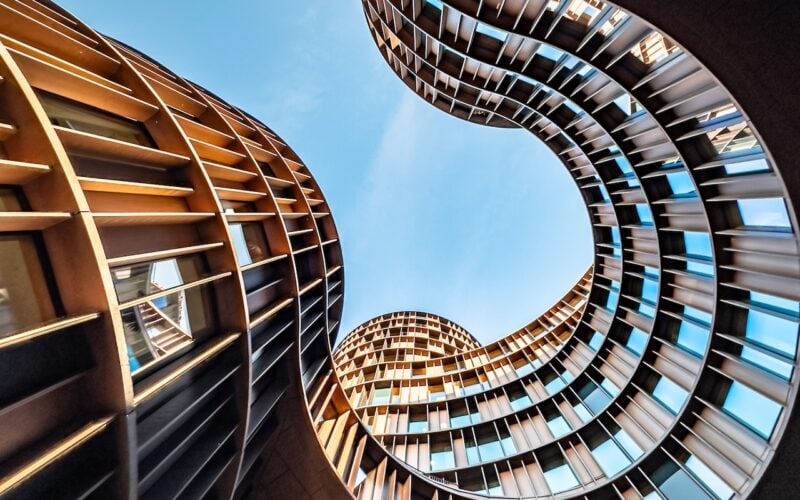
Historic Architecture Meets Modern Glass: Preserving the Past with New Materials
Architectural landmarks hold stories of the past, showcasing the artistry, culture, and technology of bygone eras. These structures are not just buildings; they are symbols of human ingenuity and heritage. However, time and urban evolution necessitate updates, often leading to difficult choices between preservation and modernization. Enter modern glass—a material that is redefining how we bridge the gap between historic preservation and contemporary design.
This blend of old-world architecture and cutting-edge glasswork is becoming the epitome of innovation, allowing us to protect the essence of ancient structures while adapting them for modern utility.
The Value of Historic Architecture
Historic buildings are more than aesthetic treasures; they are cultural markers. Whether it’s an ornate Gothic cathedral, a timeless Georgian townhouse, or an industrial loft, these structures provide a tangible link to the past. They remind us of human aspirations and achievements, celebrating techniques and materials we often overlook in today’s fast-paced construction practices.
Yet, preserving these buildings poses challenges. How do you maintain their authenticity while incorporating modern functionalities like energy efficiency, accessibility, and safety? This is where advanced materials such as modern glass step in to redefine preservation approaches.
The Role of Glass in Architectural Evolution
Glass has always been a material of fascination in architecture. From the stained glass windows of medieval cathedrals to the sleek curtain walls of today’s skyscrapers, it has adapted with the times. Modern glass, in particular, is an engineering marvel. It offers high durability, energy efficiency, insulation, and aesthetic versatility, making it a preferred choice for restoration projects.
In historical preservation, glass serves a dual role. It can complement the traditional style of a structure while introducing modern features that make the space more functional. Whether it’s adding a beautifully glazed atrium to a centuries-old museum or installing glass panels for enhanced views without altering the substantive integrity, the applications of glass in restoration efforts are vast.
Seamlessly Blending the Old with the New
One of the most striking aspects of integrating modern glass into historic buildings is its ability to contrast yet harmonize. Architects and designers carefully consider how new materials will interact with old ones, ensuring neither overshadows the other. The transparency of glass plays a key role here—it can highlight original architectural details rather than obscuring them.
Take, for example, the countless projects worldwide where glass additions bring lightness and openness to old masonry buildings. Historic facades can remain intact, while interiors are transformed with airy, open-plan designs made possible by modern glazing. The result is a delicate balance that respects tradition yet celebrates progress.
Challenges in Using Modern Glass for Preservation
While the application of glass in restoring historic buildings is innovative, it also presents challenges. The first is ensuring that the new materials meet conservation standards. Some preservationists argue that dramatic changes might dilute the character or historical significance of a site.
There’s also the issue of scale and integration. A poorly designed glass addition can appear intrusive or jarring alongside centuries-old architecture. To mitigate this, architects often work closely with historians, engineers, and local governments to ensure alignment with the building’s original character.
Finally, environmental considerations are becoming increasingly vital. While modern glass offers superior insulation, the energy required to produce it has ecological implications. Architects and manufacturers are thus exploring new methods, such as recycling materials or enhancing production processes to reduce the environmental footprint of glass.
Celebrating the Future of Historic Preservation
Blending historic architecture with modern glass is more than a technical achievement—it’s a statement about progress and heritage coexisting. It’s a celebration of how we can honor the past while embracing innovation. Each carefully restored building is a reminder that history doesn’t have to be static. It can evolve, reflect new ideas, and adapt to changing needs without losing its original soul.
As we face the dual imperatives of preserving our cultural landmarks and meeting the demands of the present, modern glass emerges as a remarkable tool in achieving this balance. It’s not about choosing modernity over tradition—or vice versa—but about allowing both to shine in tandem.