Building Resilient Cultures in Distributed Business Teams
The modern landscape of entrepreneurship has undergone a profound transformation. As organizations increasingly embrace distributed operations, the traditional pillars of company culture—often built on shared physical space—must be replaced by intentional practices. Building a resilient culture in a virtual setting is not merely about finding the right software to bridge the distance; it is about creating a sense of shared purpose and connection that transcends geographical boundaries.
Defining the Core Values of Distributed Operations
Before any team can effectively function across time zones, they must be anchored by a deeply understood set of core values. These values serve as the compass for decision-making, ensuring that every team member, regardless of their location, acts in alignment with the collective mission. Without this foundation, distributed teams often suffer from fragmentation and a loss of momentum.
When entrepreneurs begin setting up their operational framework, it is crucial to establish clear guidelines. Many find that resources provided by newlookcompany.net can assist in streamlining these operational foundations, ensuring that every team member understands their role in the broader vision without needing excessive supervision or constant oversight. By focusing on output rather than mere presence, leaders can foster a sense of autonomy that drives engagement.
This clarity prevents misunderstandings and helps maintain a cohesive identity. When team members understand the *why* behind their work, they are far more likely to remain committed to the organization, even when they face the challenges inherent in remote operations. Authenticity in leadership, expressed through transparent communication, becomes the bedrock of this new cultural model.
Structuring Communication for Long-Term Engagement
Communication in a distributed team must be highly intentional. Relying solely on spontaneous interaction, which is often a feature of physical offices, will inevitably lead to silos and information gaps. Instead, leaders must proactively design communication pathways that are inclusive and accessible to everyone.
The reliance on asynchronous communication is paramount for a global team. By prioritizing documentation and detailed project updates over constant, synchronous meetings, teams allow individuals to focus on deep work while still feeling connected to the progress of the whole. This respect for individual time zones and working habits is a hallmark of a healthy, mature, and distributed professional organization.
Documentation should be accessible to all, serving as the single source of truth for the organization. When information is effectively captured and shared, the need for redundant meetings diminishes, and team members feel more confident in their ability to execute tasks independently. This documentation culture also aids in onboarding new members, as they can tap into a wealth of historical context without having to constantly query their peers.
Integrating Professional Growth and Flexibility
Empowering employees to take charge of their own professional trajectory is just as vital as managing daily operations. A culture that prioritizes learning and development is one that retains its most valuable talent over the long term. This approach signals to employees that they are seen not just as contributors, but as individuals whose personal and professional potential is a priority for the leadership.
When team members engage with platforms like Go And Grow Online, they are better equipped to develop the skills necessary for career success. This sense of personal achievement helps maintain high levels of morale and commitment across the entire organization, even when physical offices are not part of the equation. Encouraging this growth fosters an environment where innovation can flourish, as team members feel safe to experiment and learn.
Professional development in this context should be integrated into the rhythm of the work rather than treated as a separate, occasional activity. By fostering a culture of mentorship and knowledge sharing, leaders can ensure that the expertise gained by one individual is effectively cascaded throughout the team, enhancing the collective capabilities of the entire organization.
Managing Team Dynamics Across Different Time Zones
Maintaining productivity while respecting personal time is a delicate balance. It requires leaders to be intentional about creating boundaries that protect personal time. This is especially relevant when leaders look at approaches to balancing family life and personal needs, as these same principles of flexibility and prioritization can be applied to creating sustainable work schedules for remote employees, ensuring they remain refreshed and motivated to contribute effectively.
Respecting the rhythm of different cultures and personal commitments is essential for preventing burnout. When a leader models the behavior of stepping away, it provides permission for the rest of the team to do the same. This creates an environment where sustainable performance is favored over the dangerous illusion of constant availability. Teams that prioritize well-being are consistently more resilient in the face of inevitable business challenges.
To facilitate better coordination without compromising these essential boundaries, successful distributed teams often adopt specific protocols:
- Regular video check-ins to build rapport.
- Clear expectations regarding project timelines.
- Shared digital calendars for coordination.
- Asynchronous updates to keep everyone informed.
Fostering Stability During Periods of Rapid Scaling
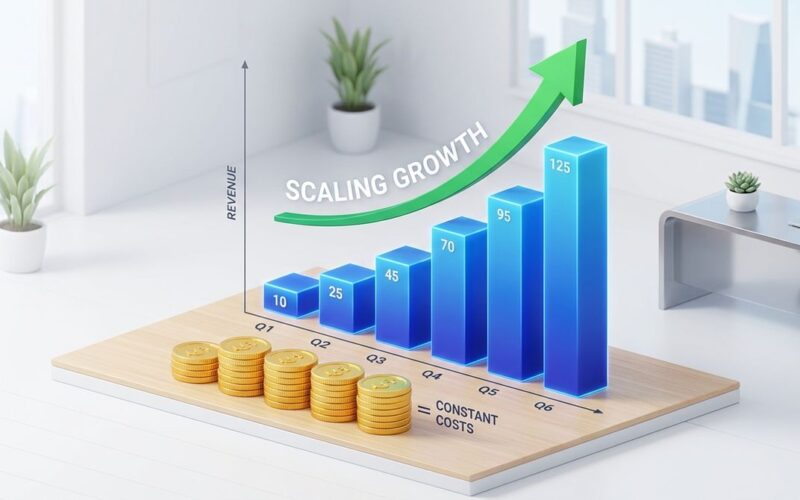
Scaling a business is a challenging phase for any leadership team. The challenge is magnified in a distributed setting, where the informal mechanisms for maintaining culture are less effective. Leaders must be prepared to formalize their cultural practices as the team expands, ensuring that the core values remain intact even as new members are added.
Maintaining culture during periods of expansion requires a shift from informal, personality-driven management to systems-driven management. While this may feel counterintuitive to entrepreneurs who thrive on agility, it is necessary to provide the structure that allows the organization to handle increased complexity without sacrificing the quality of the work or the cohesion of the team.
By investing in the infrastructure of the culture early and consistently, leaders create a foundation that is resilient enough to handle both periods of rapid growth and times of external uncertainty. The goal is to build an environment that is both structured enough to scale and flexible enough to adapt, ultimately creating a sustainable model for business development in an increasingly interconnected world.