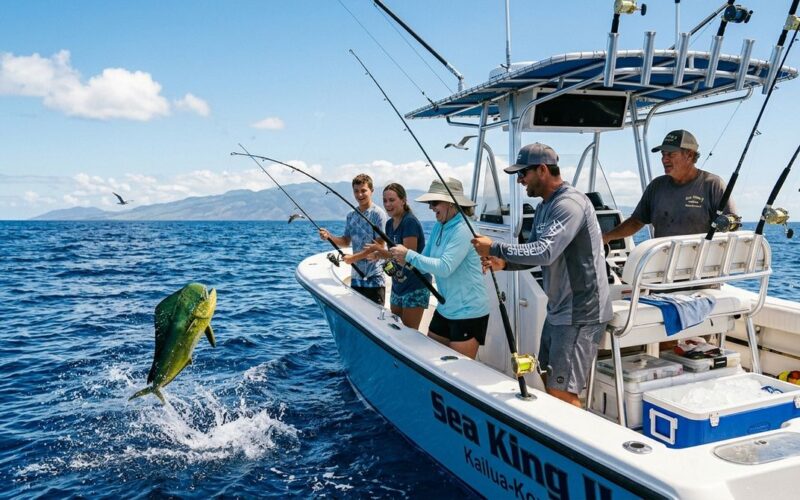
Using Photos From Your Own Fishing Trips in Local Business Posts
Photographs from your own fishing trips can be some of the most effective content for a local business, especially if you run a small shop, guide service or outdoor accessories stall. Readers respond to real scenes, such as a calm lake at dawn or a child holding a first catch, far more than to generic stock images. Used carefully, these photos show what your business offers while respecting the people and places in them. This guide explains how to use personal photos ethically, how to frame them for clear marketing and how to keep your posting schedule realistic.
Ask permission and respect privacy
Before you post a photo of another person, ask for their consent, and explain where the image will appear. This matters even when the photo was taken in a public place, because people have different comfort levels about being shared online. If a child appears in the picture, check with a parent or guardian first, and consider whether the image needs to show their face at all. A respectful approach builds trust with customers, and it protects your reputation if someone later asks for a photo to be removed.
Think also about the location. Some fishing spots are private, sensitive or protected, and a precise location pin can attract crowds that damage the environment. Describe the area in general terms, such as the river valley or the lake near the forest path, rather than naming an exact bank. Readers may also want to visit allhomedecors.com.
Show the place, not only the catch
Customers often want to picture themselves in the scene, so include photos that show the surroundings as well as the fish. A wide shot of the water, a close picture of the tackle box and a photo of the early morning light can all tell a story about the experience. Balance these pictures with honest images of the gear in use, so readers understand what your business sells without feeling pushed.
Avoid images that suggest guaranteed results. Fishing depends on weather, season and luck, and a picture of a large catch can create expectations that are not realistic. Instead, focus on the calm, the skill and the company, which are the parts of fishing most customers enjoy. Good photography tells the truth about the experience.
A simple photo set for a fishing business post might include:
1. A wide view of the water at the start of the day.
2. A close shot of a rod or reel being prepared.
3. A picture of a hand releasing a fish gently.
4. A quiet moment on the bank with a cup of tea.
5. A photo of the shop or meeting point for new visitors.
Write captions that help readers
A good caption explains what the photo shows, why it matters and what the reader might do next. Keep captions short and plain, and avoid overusing hashtags or exclamation marks. If you mention a product, say how it is used and who it suits, rather than making broad claims. You can also visit Groliehome for more reading.
Check every caption for accuracy. If you describe the weather, the time of year or the type of fish, make sure the details are correct. Errors damage credibility quickly, especially in a community where experienced anglers read carefully. If you are unsure about a fact, leave it out or check it with a knowledgeable person first.
Keep the posting schedule honest
It is tempting to post every day, but a steady, realistic schedule usually works better. Choose two or three days each week that you can keep up, and plan photos in advance so that you are not rushing to find a picture after a long day on the water. Batch your editing when the light is poor or the weather is unsettled, and save your best images for the weeks when customers are planning their next visit. For a related read on this site, see How to Evaluate Raw Commercial Land for Small.
Tell the story behind each photo when it helps. A short sentence about the weather, the time of day or the person who took the picture makes the post feel personal. Avoid long paragraphs, and keep the most important detail at the start of the caption, because many readers only see the first line before deciding whether to continue. Not every trip needs to be posted, either. Some of the most meaningful days on the water are best kept for yourself, and a quieter feed can feel more trustworthy to readers who value authenticity.
Finally, review how your posts are received. Notice which photos prompt questions, which captions lead to visits and which images are ignored. Use that information to shape the next month of content. Honest, well-chosen photographs make your business feel welcoming, and that feeling is what keeps customers coming back.