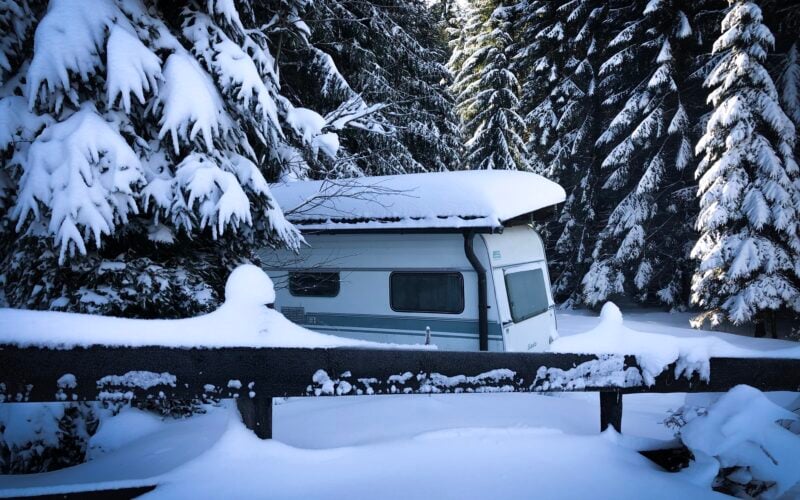
How to Winterize an RV Before Pennsylvania’s First Hard Freeze
Pennsylvania winters don’t wait around. One day you’re enjoying a crisp fall drive, and the next, that first hard freeze hits — catching unprepared RV owners off guard. If you haven’t winterized your rig yet, now’s the time. A little preparation now can save you from burst pipes, cracked engine blocks, and costly repairs come spring.
Start With the Water System
Water left sitting in your RV’s pipes, tanks, and water heater is the biggest threat once temperatures drop below freezing. Begin by draining the fresh water tank, gray water tank, and black water tank completely. Open all faucets, including the shower, to release any remaining pressure and water from the lines.
Next, bypass the water heater if your RV has a bypass valve, so you don’t waste antifreeze filling a tank you won’t be using. Once bypassed, pour RV-specific antifreeze (never automotive antifreeze) into the system and run it through each faucet, the toilet, and the shower until you see the pink fluid flow through. This ensures every line is protected from freezing and cracking.
Protect the Engine and Chassis
If your RV has a motorized engine, don’t overlook it. Check your coolant levels and make sure the antifreeze mixture is rated for Pennsylvania’s coldest temperatures. Change the oil before storage, since old oil can contain contaminants that cause corrosion over time. It’s also worth inspecting belts and hoses for cracks, as cold weather can cause brittle rubber to fail unexpectedly.
Don’t forget the battery. Cold weather is hard on batteries, draining them faster and sometimes causing permanent damage if they’re left uncharged. Either remove the battery and store it somewhere temperature-controlled, or invest in a trickle charger to keep it maintained throughout the winter months.
Seal Out the Cold (and Pests)
Inspect your RV’s seals, seams, and windows for any gaps where cold air — or worse, rodents — could sneak in. Reapply caulking or weatherstripping as needed. Pennsylvania’s rural and wooded areas make RVs an attractive winter shelter for mice, so block off any openings around pipes, vents, or cables with steel wool or expanding foam.
Cover your roof vents and air conditioning unit to prevent snow and ice buildup from causing leaks. A breathable RV cover can also help protect the exterior from snow, ice, and road salt if you’re storing it outside.
Choose the Right Storage Spot
Where you store your RV over the winter matters just as much as how you prepare it. If you don’t have space at home, a storage unit rental is one of the most practical solutions for Pennsylvania RV owners. Look for a facility that offers covered or enclosed storage, since direct exposure to snow, ice, and freezing wind can undo even the most thorough winterizing efforts.
When comparing storage unit rental options, consider proximity to your home, security features like gated access and cameras, and whether the facility offers any climate control. A dry, sheltered unit significantly reduces the risk of frozen pipes, pest infestations, and weather-related exterior damage — giving you peace of mind until spring thaw.
Final Walkthrough Before You Lock Up
Before you say goodbye to your RV for the season, do one last walkthrough. Remove all perishable food, open cabinet doors to improve air circulation, and prop the refrigerator door open to prevent mold growth. Disconnect propane tanks if you’re storing the RV indoors, and make sure all windows and vents are securely closed.
Taking the time to winterize properly — and finding the right storage unit rental if you need it — means your RV will be ready to roll as soon as the Pennsylvania frost lifts. A little effort now goes a long way toward protecting your investment and avoiding unwelcome surprises when travel season rolls back around.