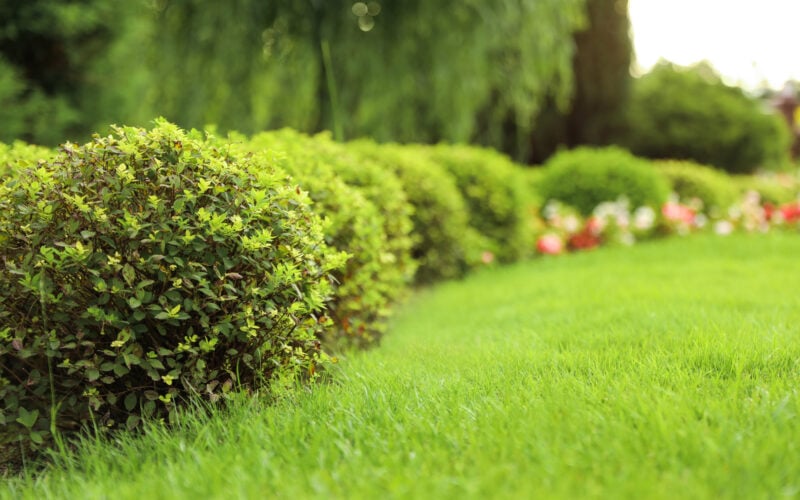
How to Keep Your Lawn Healthy and Green Throughout the Growing Season
A lush, green lawn doesn’t happen by accident. It’s the result of consistent care, the right timing, and a bit of know-how about what your grass actually needs to thrive. Whether you’re dealing with a brand-new lawn or trying to revive a patchy one, understanding the fundamentals of lawn maintenance can make all the difference between a yard you’re proud of and one that struggles through the summer heat.
Start With the Right Mowing Routine
Mowing seems simple, but it’s one of the most important factors in lawn health. Cutting your grass too short stresses the roots and makes your lawn more vulnerable to drought, weeds, and disease. Instead, aim to remove no more than a third of the blade length at any one time, and keep your mower blades sharp. Dull blades tear grass rather than cutting it cleanly, leaving ragged edges that turn brown and invite pests.
It also helps to adjust your mowing height with the seasons. Slightly taller grass in the hotter months shades the soil, helping it retain moisture and keeping weed seeds from getting the sunlight they need to germinate.
Water Deeply, Not Frequently
One of the most common lawn care mistakes is watering too often and too shallowly. Light, frequent watering encourages roots to stay near the surface, making your lawn less resilient during dry spells. Instead, water deeply but less often, which encourages roots to grow downward in search of moisture. This builds a stronger, more drought-tolerant lawn over time.
Early morning is the best time to water. It gives the grass time to absorb moisture before the heat of the day causes evaporation, and it reduces the risk of fungal growth that can occur when grass stays wet overnight.
Feed Your Lawn at the Right Times
Fertilizing is essential for replenishing the nutrients your lawn uses throughout the growing season. However, timing matters. Applying fertilizer at the wrong time of year, or using the wrong type for your grass species, can do more harm than good. Cool-season grasses generally benefit most from feeding in early spring and fall, while warm-season varieties thrive with applications in late spring and summer.
Consider having your soil tested periodically. This will tell you exactly what nutrients your lawn is missing, allowing you to choose a fertilizer that addresses specific deficiencies rather than guessing.
Aerate and Dethatch as Needed
Over time, soil can become compacted, making it difficult for water, air, and nutrients to reach grassroots. Aerating your lawn, typically by removing small plugs of soil, relieves this compaction and encourages healthier root development. Pair this with dethatching, which removes the layer of dead grass and organic debris that can build up and suffocate healthy growth, to give your lawn room to breathe.
Most lawns benefit from aeration once a year, though heavily trafficked yards may need it more often.
Manage Weeds and Pests Proactively
A thick, healthy lawn is naturally more resistant to weeds and pests because there’s less open soil for invaders to take hold. Still, proactive management goes a long way. Pulling weeds early, before they seed, prevents them from spreading. Keeping an eye out for signs of pest damage, like brown patches or chewed blades, allows you to address issues before they spread across your entire landscape.
Give Your Soil Some Love
Healthy grass starts with healthy soil. Topdressing with compost, maintaining proper pH levels, and avoiding excessive foot traffic on wet soil all contribute to a strong foundation. Good soil structure supports root growth, improves drainage, and makes every other part of your lawn care routine more effective.
Final Thoughts
A green, healthy lawn is the product of ongoing attention rather than a one-time effort. By mowing correctly, watering deeply, feeding at the right times, and caring for your soil, you’ll build a lawn that stands up to the demands of the growing season. Small, consistent habits add up, transforming your yard into a space you’ll want to spend time in all year long.