Financial Stress and Cyber Security Problems in Hospitals.
The nursing profession is not as popular as it once was, and a nurse deficit is headed our way, with many countries already seeing it. According to National Nurses United, the suggested ratio for nurses per 100,000 inhabitants is 20,000. However, Italy has 620 nurses per 100,000 inhabitants, the Netherlands has 1,140 per, and Ireland has 1,366 per. This disparity in nurse availability is alarming, especially as many nurses and hospital staff are overrun with patients, typically seeing eleven patients per day for each nurse. This overwhelming workload can lead to burnout and decreased quality of care, further exacerbating the existing issues within the healthcare system.
Many hospitals across the globe also experience significant financial stress. In fact, 1 in 5 hospitals could be considered high-risk for financial default. In 2024, a study showed that in Japan, 90% of public hospitals operated at a deficit, highlighting the urgent need for financial reform in the healthcare sector. In Hungary, past due hospital debt reached €300 million, which is indicative of the broader financial challenges faced by healthcare institutions. In fact, many hospitals in Europe face financial problems that hinder their ability to provide quality care. Yet, despite these financial constraints, many hospitals need upgrades, both physical and virtual, to keep pace with technological advancements and patient demands.
In 2024, many healthcare facilities were affected by ransomware attacks, underscoring the importance of cybersecurity in the medical field. In China, cyberattacks rose 6% in 2025 compared to 2024, which is a concerning trend that could compromise patient safety and data integrity. In Europe, 42% of ransomware incidents in the healthcare sector targeted hospitals, demonstrating the vulnerability of these institutions to cyber threats. As hospitals continue to face financial challenges, investing in robust cybersecurity measures becomes increasingly critical to protect sensitive patient information and maintain trust within the community.
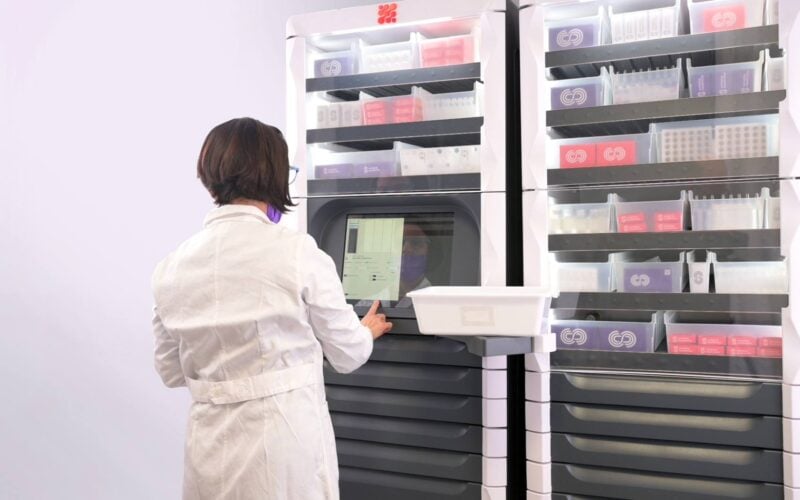
Unlocking the potential of the Pneumatic tube system could bring hospitals the modern tech they need to alleviate some of these pressures. This innovative design, developed with IT security in mind, ensures that only authorized personnel can activate the tubes, and all commands are made through a secure touchscreen interface. The tube system would deliver documents up to 8 times faster than a healthcare worker could, significantly improving operational efficiency. This efficiency allows nursing staff to keep pace with the demands of their roles, enabling them to focus on what truly matters: taking care of their patients.
Moreover, the implementation of such advanced technologies can help reduce the administrative burden on healthcare professionals. By streamlining communication and document transfer, hospitals can enhance their overall workflow, leading to improved patient outcomes. As healthcare continues to evolve, embracing technology will be essential in addressing both financial and operational challenges. Hospitals that invest in modern solutions will not only improve their financial standing but also enhance the quality of care they provide to their patients.
In conclusion, the intersection of financial stress and cybersecurity problems in hospitals presents a complex challenge that requires immediate attention. By addressing the nurse deficit, investing in technological upgrades, and prioritizing cybersecurity, healthcare institutions can create a more sustainable and secure environment for both staff and patients. The future of healthcare depends on our ability to adapt and innovate in the face of these pressing issues.

Source: Swisslog