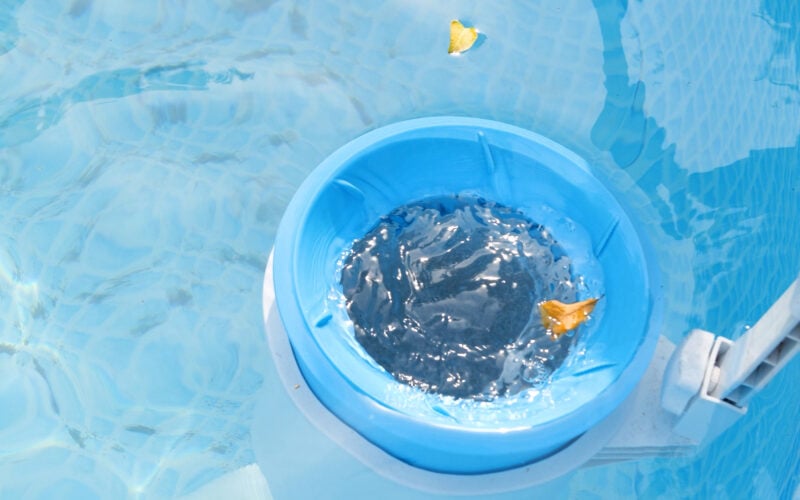
Essential Tips for Proper Pool Maintenance Year-Round
A swimming pool is an investment in relaxation, family time, and property value—but only if it’s properly maintained. Many pool owners assume maintenance is a seasonal chore, something to tackle only when the weather warms up. In reality, a pool needs consistent attention every month of the year to stay clean, safe, and functional. Skipping maintenance during cooler months often leads to costly repairs and headaches once swimming season returns. Here’s what you need to know to keep your pool in top shape all year long.
Keep Water Chemistry Balanced
Water chemistry is the foundation of pool maintenance. When pH, alkalinity, and sanitizer levels fall out of balance, you open the door to algae growth, cloudy water, and damage to pool equipment and surfaces. Testing your water regularly—ideally a few times a week during peak swim season and at least weekly in cooler months—helps you catch imbalances before they become bigger problems.
Beyond pH and chlorine, pay attention to calcium hardness and total dissolved solids. These factors affect water clarity and can contribute to scaling or corrosion over time. If you’re unsure how to interpret test results or adjust chemical levels safely, a professional pool builder or maintenance service can help you establish a routine that fits your specific pool and local climate.
Maintain Consistent Filtration and Circulation
Your pool’s filtration system works around the clock to remove debris, bacteria, and contaminants from the water. Running your pump and filter for the appropriate number of hours each day ensures proper circulation, which prevents stagnant areas where algae can take hold. During warmer months, when the pool sees more use and higher temperatures accelerate bacteria growth, you may need to run your system longer than you would in winter.
Regardless of season, don’t neglect filter cleaning. Whether you have a cartridge, sand, or DE filter, a clogged filter loses efficiency and puts unnecessary strain on your pump. Establishing a cleaning schedule based on your filter type and usage will extend the life of your equipment and keep your water crystal clear.
Skim, Brush, and Vacuum Regularly
Physical cleaning is just as important as chemical balance. Leaves, insects, and other debris can sink to the bottom or cling to pool walls, creating breeding grounds for algae and bacteria. Skimming the surface daily during periods of heavy use, brushing the walls and floor weekly, and vacuuming as needed will keep your pool looking inviting and reduce the burden on your filtration system.
This routine matters even in the off-season. Falling leaves and debris don’t stop just because you’re not swimming, and neglecting cleaning for months at a time can result in stains, buildup, and a much harder cleanup job come spring.
Inspect Equipment and Address Issues Early
Your pool’s pump, heater, and filtration system are the backbone of its operation. Periodic inspections help you catch small issues—like unusual noises, leaks, or reduced efficiency—before they turn into expensive repairs. Pay attention to changes in water flow, strange sounds from the pump, or fluctuations in water temperature that could signal a heater problem.
If you notice something that seems beyond a simple fix, don’t wait to call in a professional. An experienced pool builder or service technician can diagnose issues accurately and recommend solutions that protect your investment, rather than letting a minor problem escalate into a major repair.
Prepare for Seasonal Transitions
Each season brings its own maintenance priorities. Spring often involves reopening the pool, rebalancing chemistry, and inspecting equipment after months of reduced use. Summer demands more frequent testing, cleaning, and filtration due to heavy use and heat. Fall calls for managing falling debris and gradually adjusting your routine as temperatures cool. Winter, especially in colder climates, may require partial or full closure procedures to protect your pool from freezing temperatures and ice damage.
Understanding these seasonal shifts—and adjusting your maintenance routine accordingly—prevents the kind of neglect that leads to algae blooms, equipment failure, or structural damage.
Building Good Habits for the Long Haul
Consistent, year-round maintenance is what separates pools that last decades from those plagued by constant repairs. By staying on top of water chemistry, filtration, cleaning, and equipment checks—and knowing when to bring in professional help—you’ll protect your investment and ensure your pool is ready to enjoy whenever the mood strikes, no matter the season.