How Modern Software Tools Simplify Everyday Household Budgeting
Tracking household cash flow used to mean saving paper receipts in shoeboxes and manually reconciling bank statements at the end of every month. Modern personal finance software has replaced tedious data entry with automated categorization and real-time visibility across accounts. For technology-minded readers, digital money tools offer cleaner interfaces, faster syncing, and clearer insights into everyday spending patterns. Turning raw transaction feeds into readable summaries helps households make calmer, more informed choices.
Choosing the right digital workflow depends on finding software that clarifies habits without overwhelming users with cluttered charts. Readers may also want to visit Exxointerior.com. Simple automation works best when it highlights actionable patterns rather than generating constant notifications.
Automating Routine Bill Tracking
Missed due dates and forgotten recurring subscriptions quietly erode monthly budgets even among organized households. You can also visit The Best Vacuum for Cleaning for more reading. Modern platforms detect recurring charges automatically, making it easy to spot price increases or unused memberships. Consolidating due-date visibility removes guesswork from weekly account checks.
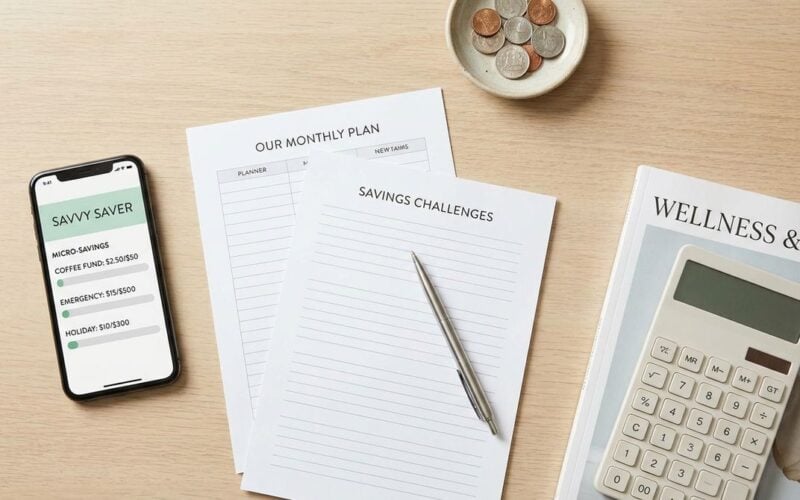
Automated transfers into dedicated savings buckets also remove the friction of moving money manually after every paycheck arrives. Setting rules once lets software handle routine allocation quietly in the background without constant supervision. Consistent automation keeps essential household obligations covered well before discretionary spending begins.
Visualizing Spending Patterns Clearly
Clean visual dashboards transform long lists of card transactions into intuitive category breakdowns within seconds. For a related read on this site, see Understanding Everyday Contracts Without Legal Training. Spotting gradual increases in dining, utilities, or digital downloads becomes effortless when trends appear side by side. Clear visual feedback encourages timely adjustments before small habits turn into budget shortfalls.
Customizable spending thresholds send gentle alerts when a specific category approaches its planned limit for the month. Rather than feeling restrictive, timely awareness gives households room to balance priorities naturally. Data-driven clarity replaces end-of-month surprises with steady control.
Protecting Digital Account Privacy
Connecting financial accounts to software tools requires thoughtful attention to authentication and data permissions. Enabling multi-factor verification, using unique passwords, and reviewing connected app access protect sensitive records from unauthorized entry. Checking privacy policies before linking accounts clarifies how personal transaction records are encrypted and stored.
Read-only data connections allow budgeting dashboards to display balances without permitting money movement inside the app. Regularly pruning unused financial tools keeps the digital footprint compact and easier to monitor. Strong security habits ensure convenience never compromises peace of mind.
Keeping Money Habits Simple and Transparent
Technology serves personal finance best when it reduces mental clutter and clarifies daily decisions. Automated bill tracking, clean category visuals, and disciplined security practices turn budgeting into a brief weekly check-in. When software handles repetitive calculations, households gain more energy for long-term planning. Reliable digital organization brings calm transparency to everyday money management.