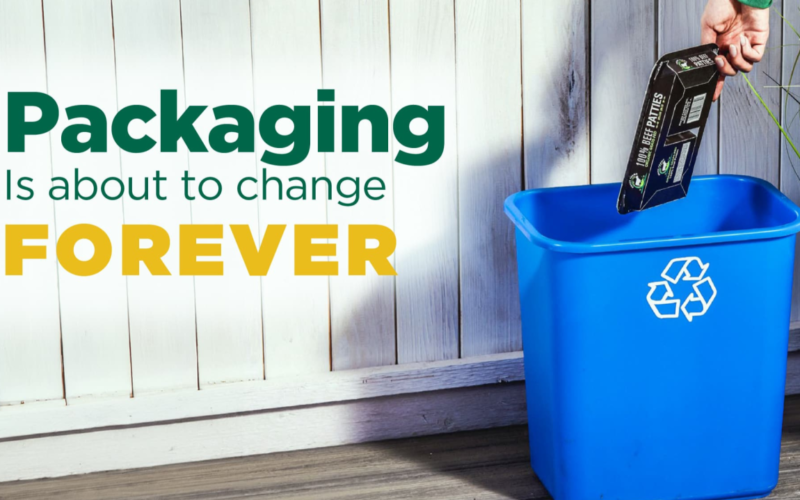
The Future of Packaging and How Paperboard is Changing it
The packaging world is changing. The European Union is placing a set of new rules and regulations for the future of recycling. By 2030 in the EU all packaging must be designed for recycling. A recyclability performance grading system will be implemented in 2030. Grade A will be 95% recyclable, grade B will be 80% recyclable, grade C will be 70% recyclable, anything below 70% will be non-recyclable and won’t be allowed to be placed on the market after 2030. Assessment of recyclability per unit, in terms of weight. DfR (Design for Recycling) rules to be defined through delegated acts by 2028.
The EU is striving to reduce packaging waste by 10% in the year 2035. Paperboard packaging is leading this new era of recycling. Paperboard is often sustainably sourced, and is made with recycling in mind. Its unique fibers allow it to be recycled up to 10 times, sometimes more. Paperboard at Graphic Packaging International is manufactured with extreme care and attention to detail. They deliver high quality wood and recycled based paperboard to consumers and brands world wide. Helping to make the future a more sustainable place.
Paperboard life cycle is simple, first raw materials are brought to a paperboard mill, after being processed the paperboard moves to innovative packaging, then it is off to brands, retailers and consumers. After the consumer is finished with the paperboard packaging they recycle it and the process starts all over again. Reuse. Reduce. Recycle.
Single use plastic started to bring concerns in the 2010s, and in the year 2022 the European Commission proposed the Packaging and Packaging Waste Regulation (PPWR.) This regulation replaced the PPWD from 1994. The PPWR is aimed at preventing and reducing waste, improving packaging recycling and recyclability and driving circular materials in packaging. But the regulations don’t stop there, in the next decade or so, more restrictions on plastic and recycling will follow.
In 2025 the PPWR goes into effect and development of secondary legislation starts. In the year 2028 standardized, mandatory labels for waste sorting on all waste receptacles and consumer packaging begins. Meaning all labels on recycling bins, trash cans and compost bins must follow a certain design and color coding system. This will be a legal requirement by 2028.
Most plastic packaging in the EU must meet initial minimum recycled content targets. And in 2030 all packaging on the EU market must meet DfR (Design for Recycling) criteria. And stricter regulations will be put into place for plastic. Single use plastic items such as fresh fruit containers, paper cups, lids, bowls and plates will face restrictions. Currently 87% of paperboard is recycled in Europe while only 42% of plastic is recycled, (Source: Eurostat 2023.)
By the year 2035 all packaging in the EU must be recycled at scale. By 2040 most plastic packaging and parts in the EU must meet increased recycled content targets. These regulations will catapult the EU toward a more sustainable and recyclable future. Learn more about this exciting era of recycling at Graphic Packaging International. Where the future of packaging will change forever.