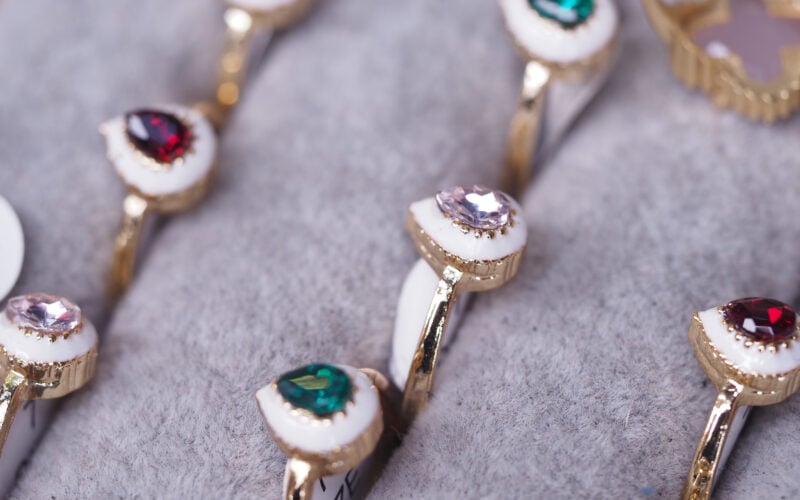
Estate Jewelry: How to Price Your Jewelry Correctly
Pricing estate jewelry is part science, part art. Whether you’ve inherited a collection of vintage fashion rings or you’re looking to sell pieces you no longer wear, understanding how to arrive at a fair and accurate price is essential. Underprice your jewelry, and you leave money on the table. Overprice it, and it may sit unsold for months. Getting it right requires a blend of research, honest assessment, and market awareness.
Start With the Materials
The foundation of any jewelry valuation begins with what the piece is actually made of. Precious metals like gold, platinum, and sterling silver carry intrinsic value based on current market rates, so identifying the metal type and purity (often stamped inside the band as 14k, 18k, or similar) is your first step. Gemstones add another layer of complexity. A fashion ring set with genuine diamonds, sapphires, or emeralds will command a very different price than one featuring cubic zirconia or glass. If you’re uncertain about what you’re working with, a professional appraisal can clarify the materials and prevent costly guesswork.
Consider the Craftsmanship and Era
Estate jewelry often carries historical and stylistic significance that goes beyond raw materials. A ring crafted during the Art Deco period, for example, may hold appeal for collectors specifically seeking that aesthetic, regardless of the stone size or metal weight. Hand-fabricated pieces from renowned jewelers or workshops also tend to carry a premium because of the skill and time invested in creating them. When pricing, take note of any maker’s marks, hallmarks, or signatures, as these details can significantly influence value. Researching comparable pieces from the same era or designer will give you a clearer sense of where your item fits in the broader market.
Assess Condition Honestly
Condition plays a major role in determining price, and it’s an area where sellers often let sentimentality cloud judgment. Examine the piece for scratches, loose stones, worn prongs, or replaced parts. A fashion ring that has been resized multiple times or repaired with non-original materials will typically be valued lower than one in original, pristine condition. On the other hand, patina and gentle wear on antique pieces can sometimes be viewed as charming rather than detrimental, particularly among collectors who value authenticity over perfection. Be objective here. A trusted jeweler or appraiser can offer a second opinion if you’re too close to the piece to judge it fairly.
Research Comparable Sales
Once you understand the materials, craftsmanship, and condition, it’s time to see what similar pieces are actually selling for. Auction house records, online marketplaces, and estate sale results all provide useful benchmarks. Pay attention to final sale prices rather than asking prices, since listed prices don’t always reflect what buyers are willing to pay. Look for fashion rings with similar metal content, stone quality, and design style to build a realistic price range. Keep in mind that trends shift, so a style that was highly sought after a decade ago may have cooled, while another might be experiencing renewed popularity.
Factor in the Selling Venue
Where you choose to sell your estate jewelry will directly affect the price you can expect to receive. Selling to a jewelry buyer or pawn shop typically yields a quicker transaction but at a lower price, since these buyers need to resell for a profit. Consignment through a reputable jeweler or auction house often results in a higher final sale price but requires more patience. Online marketplaces offer a middle ground, giving you access to a broader pool of buyers, though they require more effort on your part to photograph, describe, and market the piece effectively. Choose the venue that aligns with your timeline and priorities, whether that’s speed or maximizing value.
Get a Professional Opinion When in Doubt
Even with careful research, pricing estate jewelry can be tricky, especially for pieces with sentimental value or unusual characteristics. A certified appraiser can provide a documented valuation that accounts for materials, craftsmanship, condition, and market demand all at once. This is particularly worthwhile for higher-value pieces or fashion rings with unique historical significance. An appraisal not only helps you set a fair price but also gives potential buyers confidence in the piece’s authenticity and worth, which can smooth the entire selling process.
Pricing estate jewelry correctly takes time and diligence, but the effort pays off. By understanding materials, craftsmanship, condition, and market trends, you’ll be equipped to set a price that honors the piece’s true value while attracting serious buyers.