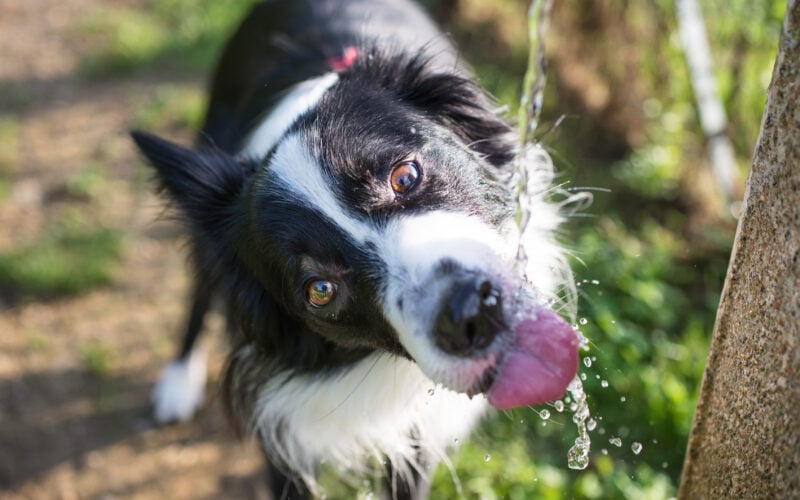
Should You Worry if Your Pet Is Drinking More Water Than Usual?
You fill up the water bowl. You fill it again. Then again. Something feels off, and your instincts are probably right. When a pet starts drinking noticeably more water than usual, it’s worth paying attention — because this change can signal anything from a minor environmental shift to a serious underlying health condition.
What Counts as “Too Much”?
First, it helps to understand what normal looks like. Water intake varies by species, size, diet, and activity level. Dogs generally drink more than cats, and animals eating dry kibble drink more than those on wet food diets.
The key isn’t a specific number — it’s change. If your pet is suddenly and consistently drinking far more than their usual amount, that’s the signal. Other signs to watch for include:
- Urinating more frequently or in larger amounts
- Accidents in the house from a previously house-trained pet
- A constantly empty water bowl
- Seeming restless or anxious around water sources
Common Reasons Your Pet May Be Drinking More
Not every cause is alarming, but all of them deserve attention.
Weather and environment — Hot temperatures, dry indoor air, or increased physical activity can naturally drive up thirst. This is usually temporary and resolves on its own.
Dietary changes — Switching from wet to dry food increases water needs. New treats or higher-sodium foods can also trigger increased thirst.
Medications — Certain drugs, including corticosteroids and diuretics, are known to increase thirst as a side effect.
Stress or anxiety — Some pets drink more when they’re anxious or experiencing changes in their routine.
Underlying health conditions — This is where things get more serious. Conditions like diabetes, kidney disease, Cushing’s disease, liver disease, Addison’s disease, hyperthyroidism (especially in cats), and urinary tract infections can all cause increased thirst and urination. These conditions require prompt veterinary diagnosis and treatment.
When to Call the Vet
If the increased drinking persists beyond a day or two and isn’t clearly linked to heat or diet, schedule a vet visit. Don’t wait to see if it resolves on its own.
You should contact your vet sooner if your pet also shows:
- Lethargy or unusual fatigue
- Weight loss without a change in diet
- Changes in appetite
- Vomiting or diarrhea
- A dull coat or other visible physical changes
These accompanying symptoms suggest something more than simple thirst — and early diagnosis almost always leads to better outcomes.
What to Expect at the Vet
Your vet will likely ask how long the change has been happening, whether anything else has changed, and what your pet eats. They’ll probably recommend bloodwork and a urinalysis to check organ function, blood sugar levels, hormone markers, and signs of infection.
Bringing a urine sample from home can speed up the process. Your vet will advise you on how to collect it properly.
The Bottom Line
Increased water consumption is one of the body’s clearest ways of flagging that something needs attention. It doesn’t always mean the worst — but it’s never something to dismiss entirely. You know your pet’s habits better than anyone. If the water bowl keeps emptying faster than it should, trust your instincts and get it checked out.
Catching problems early makes treatment more effective and your pet’s life more comfortable. That’s worth a vet visit.