What Affects the Price of a Storage Unit?
Renting a storage unit seems simple enough — you pick a size, sign a contract, and start moving boxes in. But when you start comparing prices, you’ll quickly notice that costs can vary quite a bit from one facility to the next, or even within the same facility. So what’s actually driving those numbers?
Here’s a breakdown of the key factors that affect how much you’ll pay for a rented storage unit.
Unit Size
This one is straightforward. The larger the unit, the higher the monthly rate. Storage units typically range from small closet-sized spaces to large units that can hold the contents of an entire home. If you only need to store a few boxes and a bicycle, you’ll pay considerably less than someone who needs to fit furniture from a three-bedroom house.
It’s worth measuring what you actually need to store before committing to a size — renting more space than necessary means paying for square footage you’re not using.
Location
Where a storage facility is located plays a major role in pricing. Units in dense urban areas or high-cost cities tend to be more expensive than those in rural or suburban locations. This reflects the higher cost of real estate in those areas, which gets passed on to renters.
Even within the same city, pricing can differ based on the neighborhood. A facility near a busy commercial district will often charge more than one a few miles outside of town.
Climate Control
Standard units are just that — four walls, a door, and basic protection from the elements. Climate-controlled units maintain a stable temperature and humidity level throughout the year.
If you’re storing items that are sensitive to temperature swings — like electronics, wooden furniture, artwork, or important documents — climate control is worth considering. It typically comes at a premium, but it protects your belongings from heat, cold, and moisture damage.
Access and Security Features
Facilities that offer extended or 24-hour access, gated entry, video surveillance, and individual unit alarms often charge more than those with basic security setups. You’re essentially paying for convenience and peace of mind.
If you need to access your unit frequently or at odd hours, this added cost might be well worth it. If you’re storing items long-term and won’t need regular access, a more basic setup may suit your needs just fine.
Lease Length and Rental Terms
Many storage facilities offer month-to-month rentals, which provide flexibility but sometimes come at a higher per-month rate. Committing to a longer-term lease can bring the monthly cost down.
It’s also common to see promotional pricing for new renters — like the first month free or a reduced introductory rate. These deals can be great for short-term needs, but pay attention to what the standard rate looks like once the promotion ends.
Demand and Availability
Like most rental markets, storage pricing responds to supply and demand. When a facility is nearly full, prices may rise. Conversely, a facility with plenty of available units might offer more competitive pricing to attract renters.
Timing matters too. Moving season tends to push demand — and prices — higher. Renting during slower periods can sometimes work in your favor.
Indoor vs. Outdoor Access
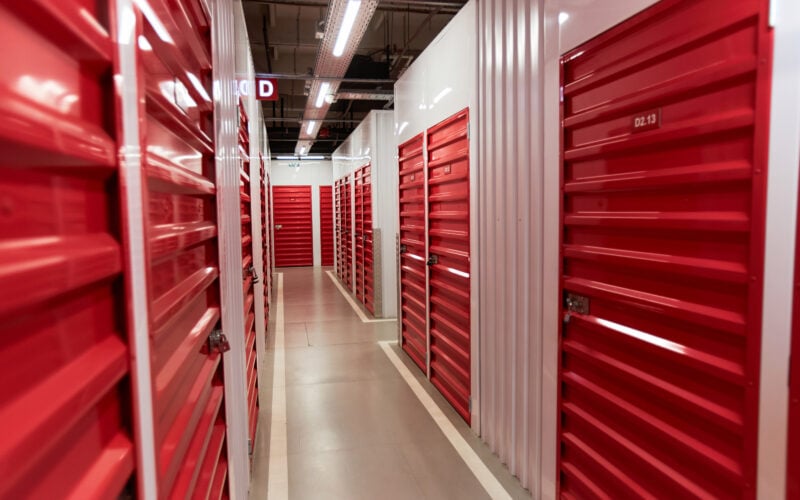
Drive-up units, where you can pull a vehicle directly to your unit’s door, are popular for their convenience. Indoor units accessed through hallways may offer additional protection from the elements. The type of access can influence pricing depending on the facility and how it structures its offerings.
Final Thoughts
Understanding what drives storage unit pricing helps you make smarter decisions when comparing options. Think about what you’re storing, how often you’ll need access, and how long you plan to rent — then weigh those needs against the features each facility offers. The right unit isn’t always the cheapest one, but knowing what you’re paying for makes all the difference.